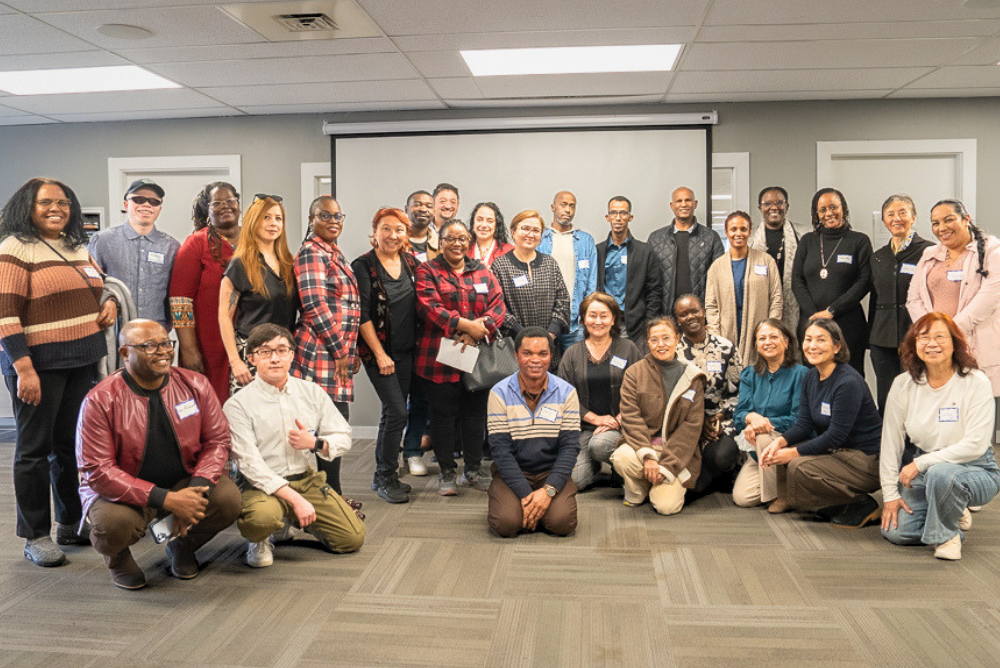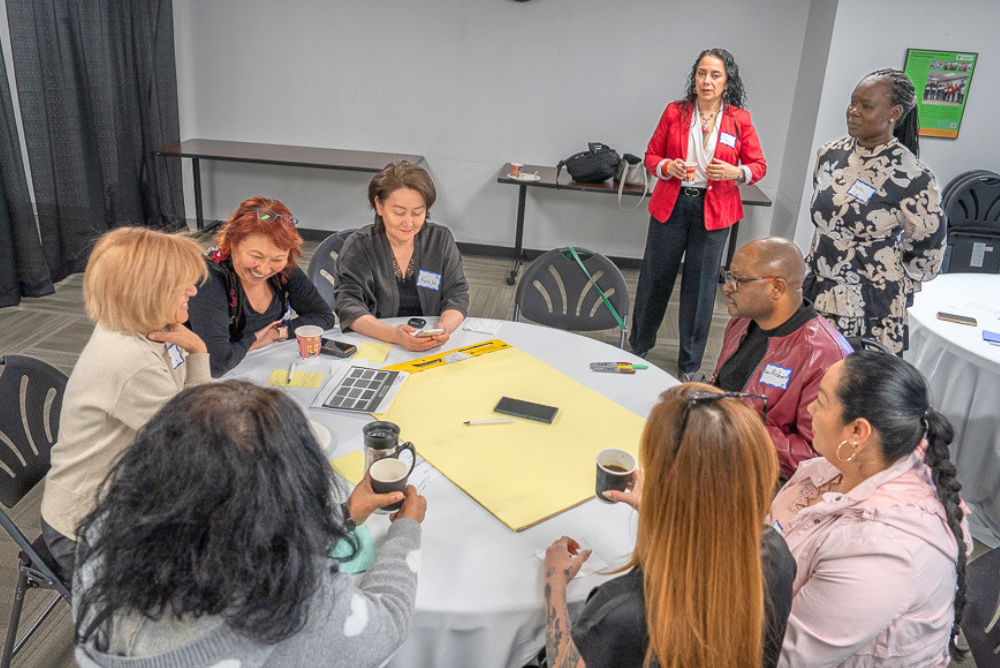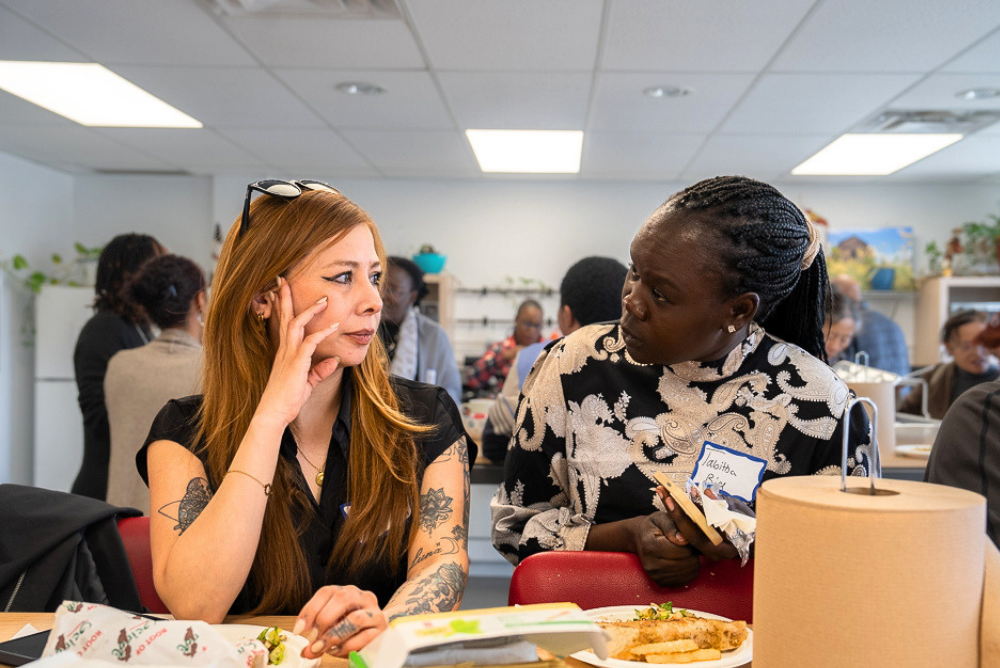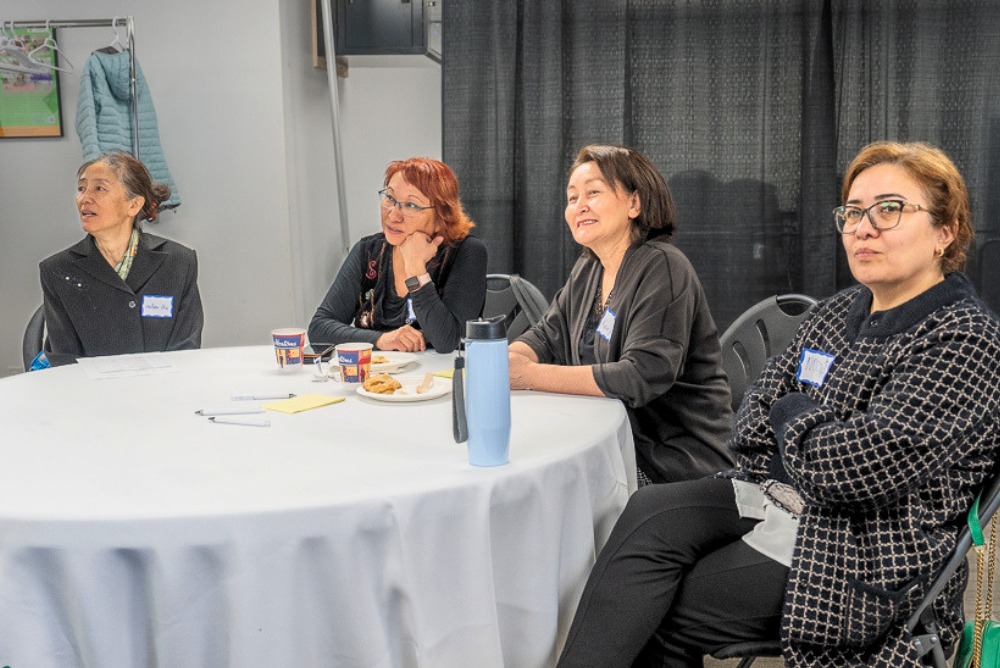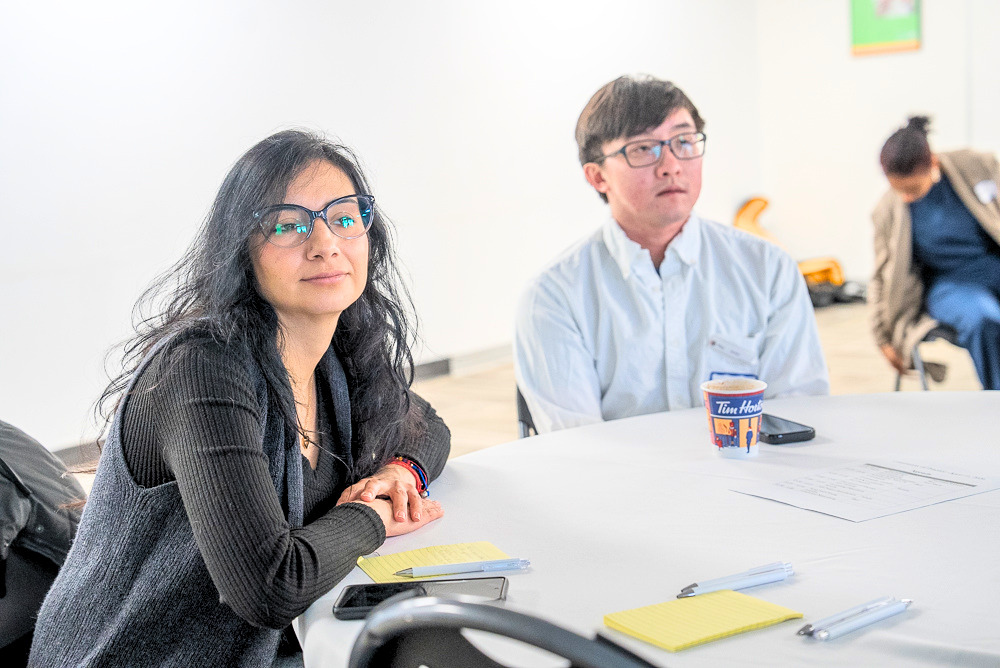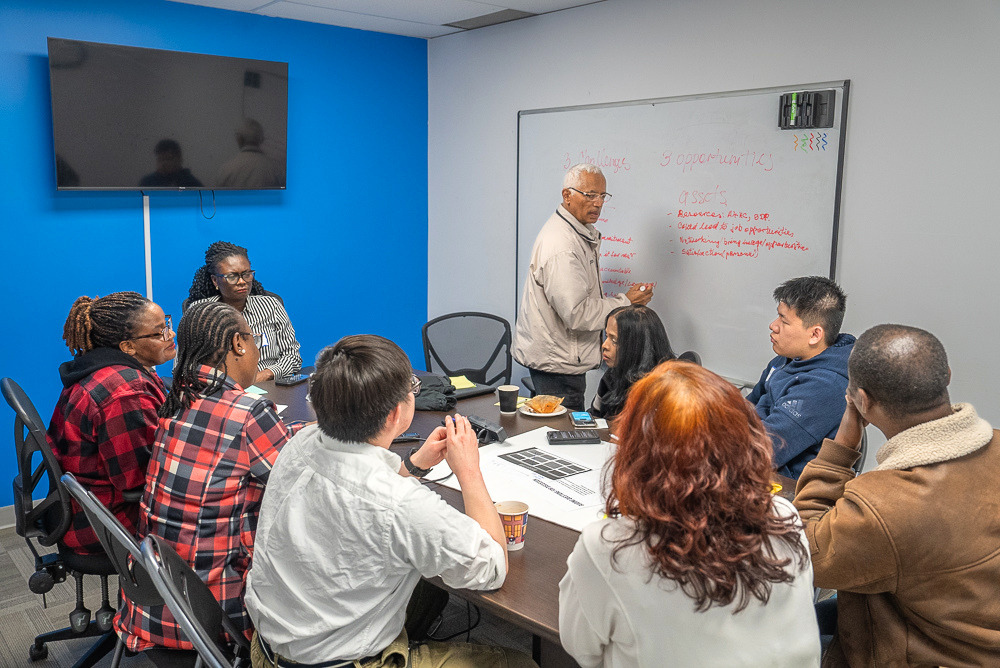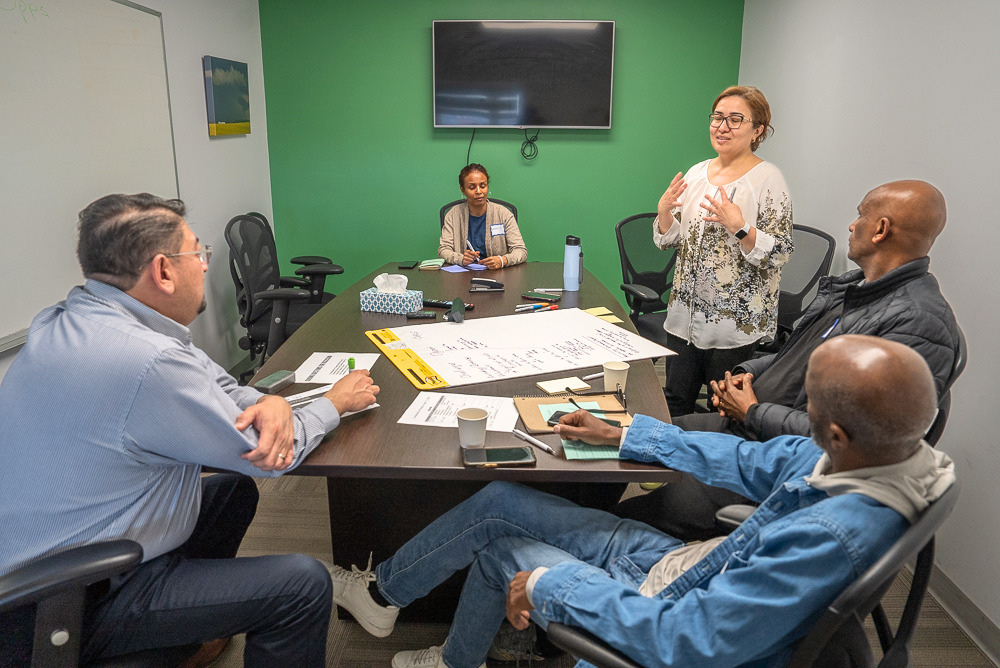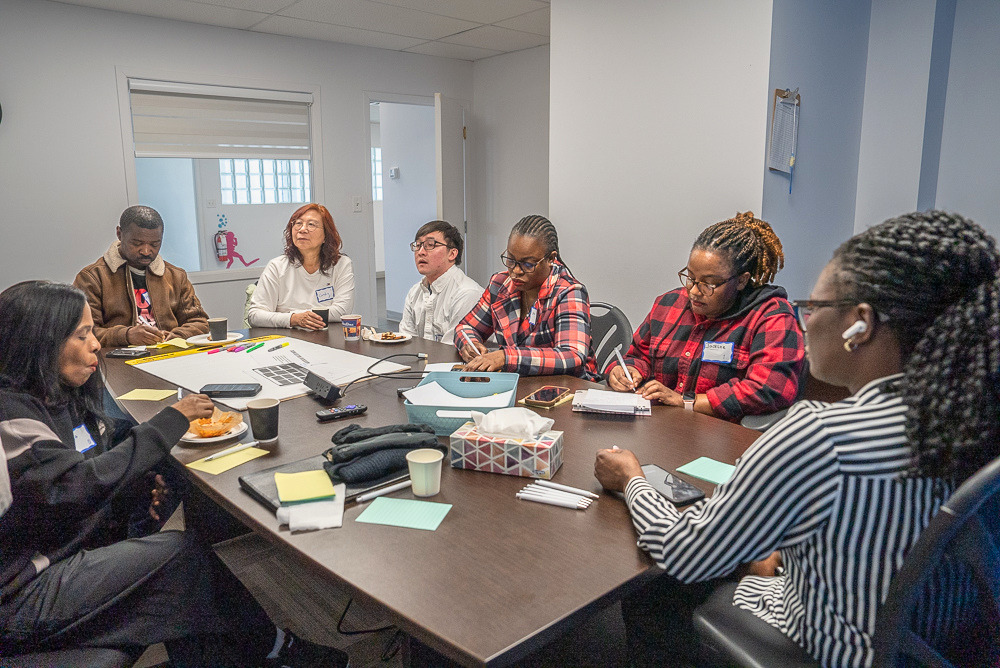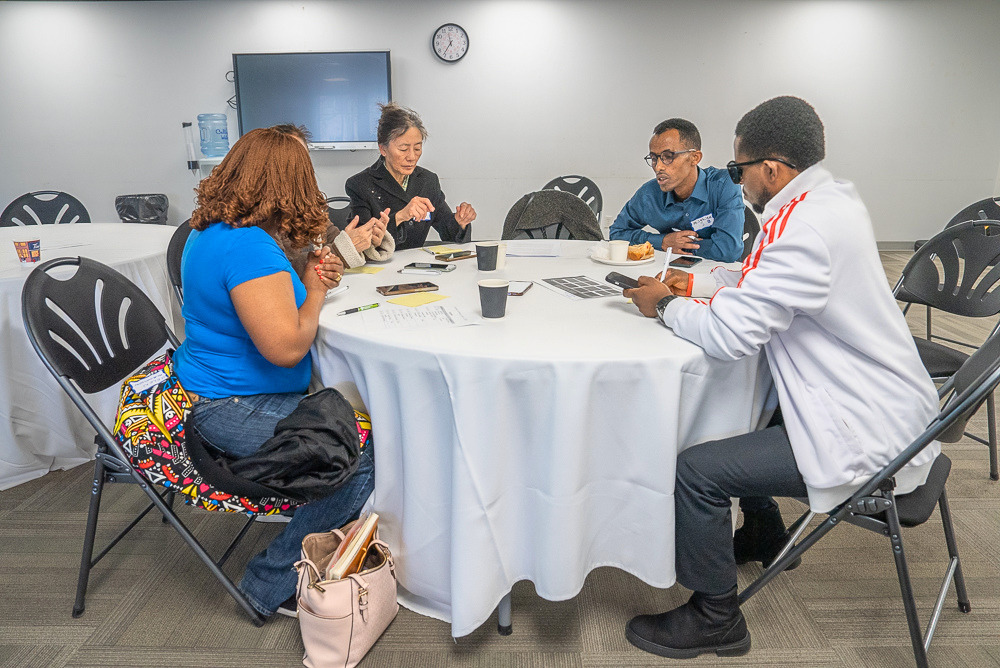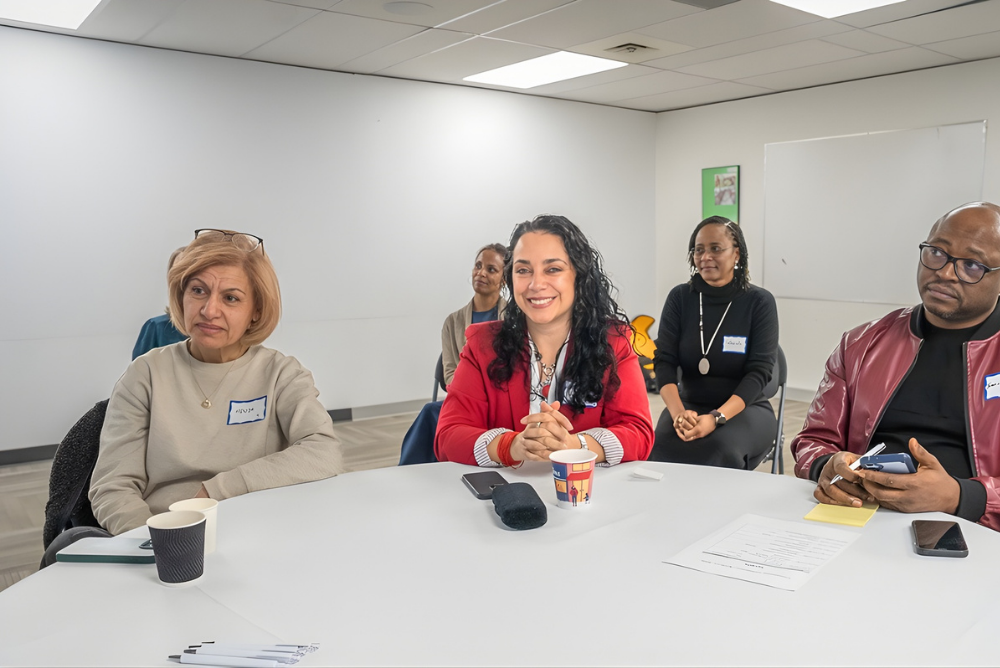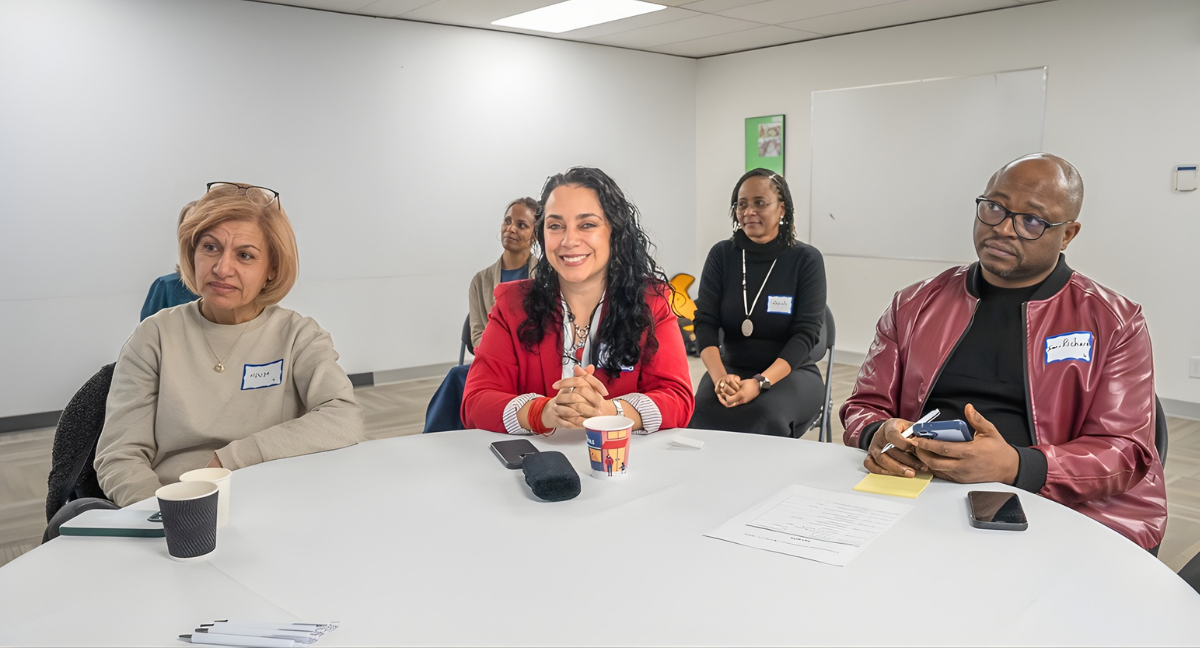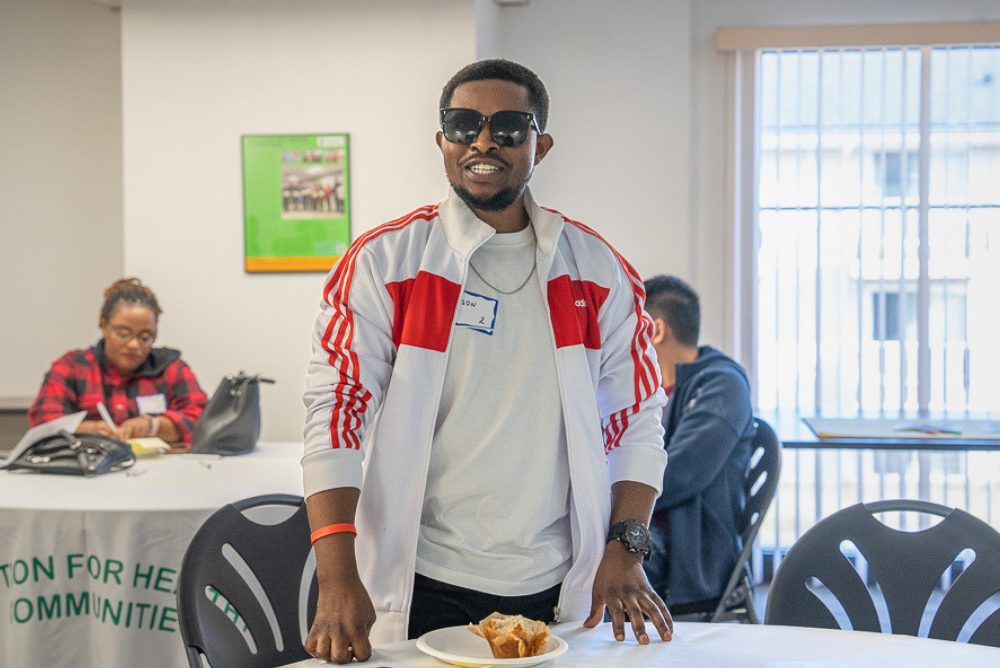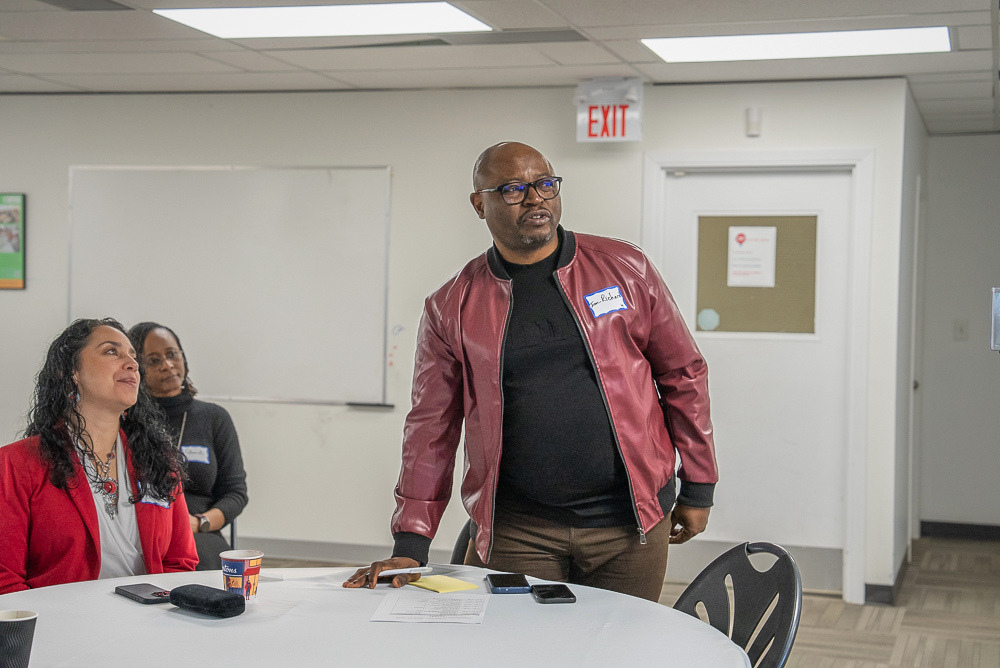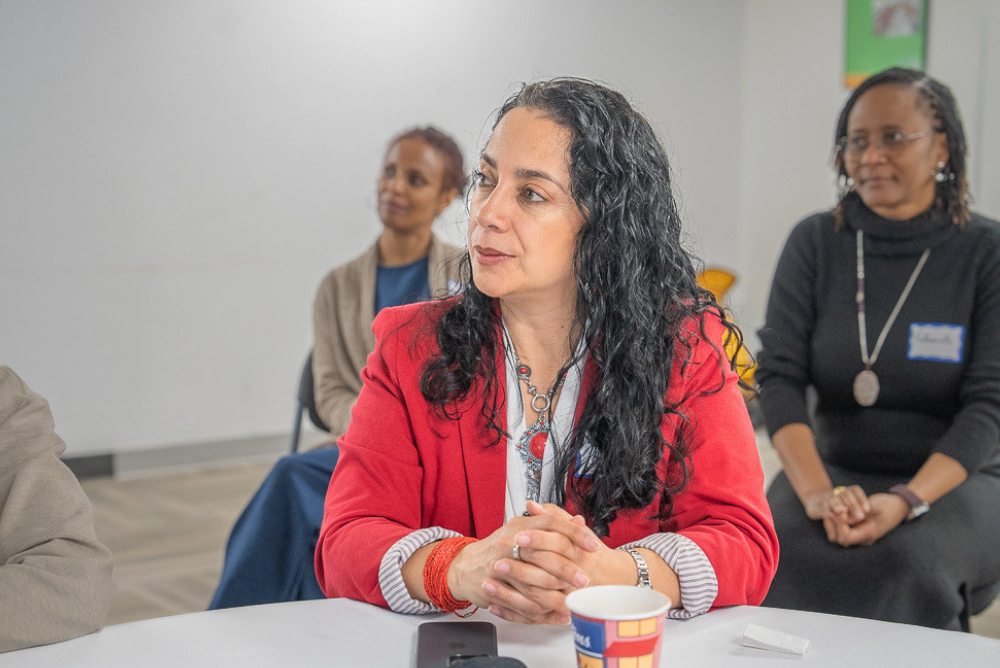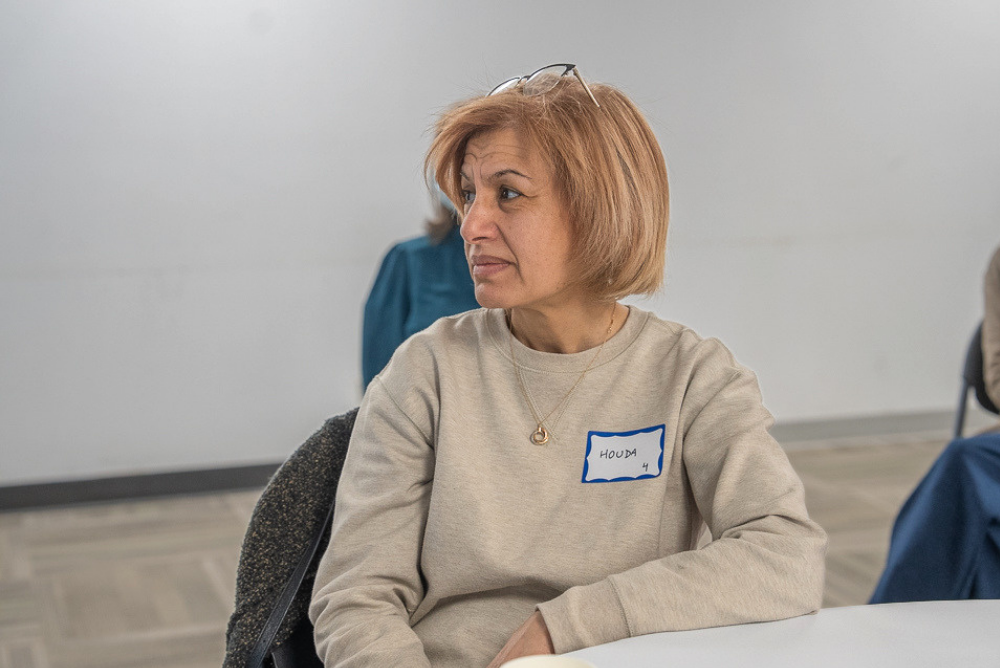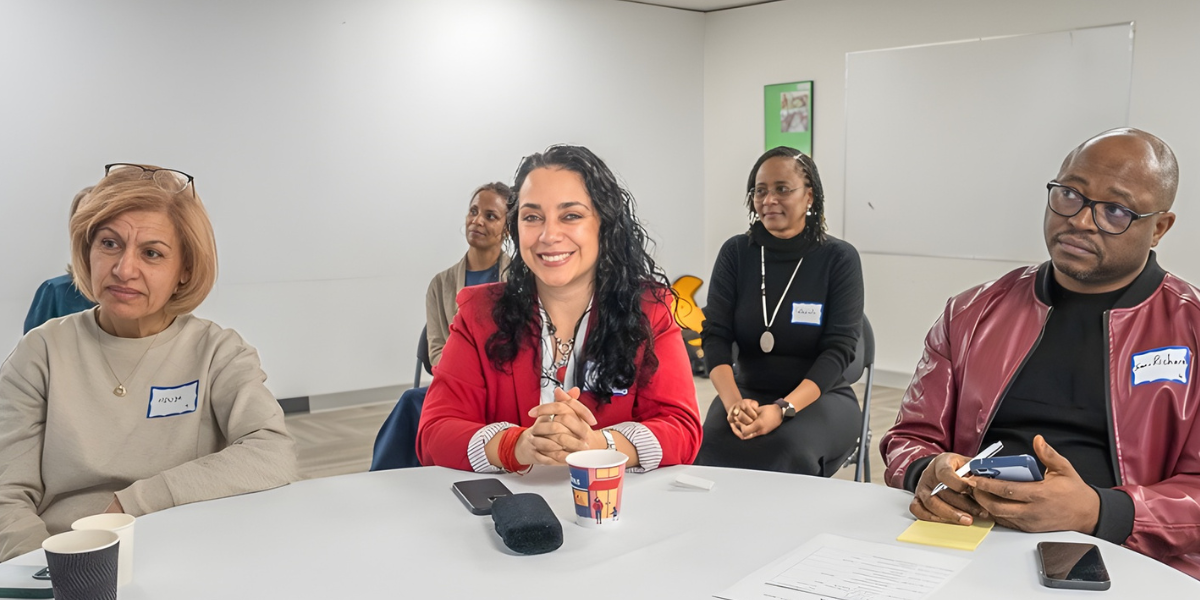
On April 11 and May 2, 2026, Action for Healthy Communities (AHC) brought together 46 grassroots leaders, volunteers, and representatives from 31 diverse community organizations for the first quarter Community of Practice (CoP), hosted as part of the Strengthening BIPOC Grassroots Leadership through Capacity-Building and Collaboration initiative funded by the Edmonton Community Foundation,
The gatherings created a collaborative and culturally responsive space for participants to reflect on the realities of grassroots leadership, share lived experiences, and collectively identify strategies for strengthening community organizations across Edmonton.
Building Stronger Communities Through Shared Learning
At AHC, Communities of Practice are more than networking events. They are collaborative learning spaces where communities come together to exchange knowledge, strengthen relationships, and co-create solutions to shared challenges. Rooted in participation, trust-building, and community-led decision-making, the CoP model recognizes lived experience as a powerful form of leadership and expertise.
The CoP focused on identifying leadership training needs and exploring barriers and opportunities experienced by grassroots organizations serving newcomer, racialized, and culturally diverse communities.
The sessions were guided by AHC’s Director of Programs, Suzana Dumo, who shared the history and evolution of AHC’s Community Capacity Building model and emphasized the importance of ongoing mentorship, training, and collaborative leadership development.
Key Themes Emerging from the Community Discussions
Through thematic facilitated group discussions, participants identified several interconnected challenges and opportunities facing BIPOC grassroots organizations:
Funding Sustainability and Grant Readiness
Many organizations described difficulties navigating grant applications, meeting eligibility requirements, and managing financial reporting expectations. Participants emphasized the need for practical grant-writing support, funding databases, and mentorship to strengthen long-term sustainability.
Volunteer Recruitment, Retention, and Burnout
Volunteer burnout emerged as a major concern. Many organizations rely heavily on a small number of committed individuals balancing multiple responsibilities. At the same time, participants highlighted volunteerism as a pathway for leadership development, social connection, and youth engagement.
Leadership Development and Succession Planning
Grassroots leaders often manage governance, operations, fundraising, and community engagement simultaneously without formal training. Participants identified succession planning, conflict resolution, delegation, and shared leadership structures as critical needs for long-term sustainability.
Community Impact Measurement and Storytelling
Organizations expressed challenges measuring outcomes such as belonging, empowerment, confidence, and cultural connection. Participants emphasized the importance of combining quantitative data with storytelling, testimonials, and culturally responsive evaluation approaches.
Collaboration, Networking, and Shared Infrastructure
One of the strongest themes across the discussions was the value of collaboration. Participants described the CoP as a vital space for relationship-building, peer learning, and resource-sharing. Many also highlighted the need for shared community spaces and collaborative infrastructure to support smaller grassroots organizations.
Communication and Community Outreach
Participants discussed the growing importance of social media, storytelling, and culturally responsive communication strategies in engaging communities, recruiting volunteers, and increasing organizational visibility.
The discussion resulted in identifying six key training areas to strengthen leadership capacity and organizational sustainability:
-
- Grant Writing, Funding Readiness, and Financial Sustainability
- Volunteer Management, Governance, and Organizational Sustainability
- Community Impact Measurement and Storytelling
- Collaboration, Networking, and Partnership Development
- Digital Communication and Social Media
- Culturally Responsive Leadership and Community Engagement
Participants emphasized that these supports should extend beyond one-time workshops and instead function as part of an ongoing ecosystem of mentorship, peer learning, networking, and collaborative leadership development.
Looking Ahead
The findings from the 2026 First Quarter Community of Practice reaffirm the critical role BIPOC grassroots organizations play in strengthening belonging, cultural identity, leadership development, and community resilience across Edmonton.
AHC remains committed to supporting grassroots leaders and fostering collaborative spaces where communities can learn from one another, build partnerships, and create meaningful change together to shape sustainable and inclusive communities.